

How to Replace Patio Door Locks
Over time, patio door locks may develop issues that prevent them from functioning as they should. Whether the issue is due to rust or heavy debris that inhibits lock movement, it's crucial to spot these signs early and purchase high-quality Amesbury Truth hardware online promptly.
Replacing the patio door lock is an easy process. Follow these steps to begin:
Identifying Your Existing Lock
The mechanism that locks sliding patio door hardware may be susceptible to rust or debris. As time passes, this may cause the latch to cease working or even block it completely. This leaves your home vulnerable to burglars. If you find that your patio door lock has been damaged or jammed, knowing the type of lock can assist you in fixing it. This will allow you to locate top-quality Amesbury Truth hardware to replace the broken lock.
Many sliding patio doors feature mortise locks made of steel that are mortised into the frame of the door. These types of locks are typically very secure, however, they may break or bend if handled improperly or if they are in continuous use. It is recommended to replace the mortise lock made of steel when it is bent or damaged rather than try to repair it.
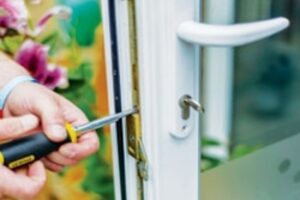
Start by taking off the handle. This will reveal several small screws that hold both the handle and the lock together. Remove the handle that is actuating the lock to reveal what's inside.
You can identify the type of lock by inspecting the key cylinder inside the lock assembly after you remove the door handle. Certain mortise lock keyways made of steel are 45-degree angles, while others have a rectangular design. You can find the appropriate replacement part for your sliding patio door lock once you are aware of the kind of lock you have.
You can also purchase an retrofit kit for your sliding patio door, to add the security of a keyed locking system. These kits include the lock mechanism, a set of keys and detailed instructions for installing. However, it's best to consult with an expert locksmith or door hardware specialist to get advice when installing new hardware on your home.
You can also determine what type of mortise locks you have by examining the mounting holes located at the back of the cylinder. If your current mortise patio door lock has square or round mounting holes, it's most likely an E2105 mortise lock. If the lock you have is oval-shaped cutouts, it is most likely an E2014.
How to Select a Replacement Lock
When your patio door lock is damaged or fails to function properly, it could leave your home unprotected. Replacing your lock promptly can prevent intruders from gaining access to your living space and ensure that your sliding doors are secure. This guide will help you pick an appropriate replacement lock that is compatible with your patio door and install it.
It is first necessary to determine the lock model. The information can be found on the latch or on the hardware that connects it to the handle. Once you know the information, it will make it easier to locate a replacement.
Before starting to remove the lock you have ensure that you use the proper safety precautions to avoid injury. Wear protective gloves and glasses to protect yourself from sharp edges and other debris. It is also important to clear the area surrounding the lock of obstructions to prevent injury during the removal and installation process.
You'll need to loosen the screws that hold the latch. Once these screws have been removed, you can take the latch mechanism as well as cartridge from the handle. The next step is to examine the latch and look for any dirt or other contaminants that may have affected the operation. You can use a graphite pencil or a oil-lubricating substance such as WD-40 Multi Use Product to remove any contaminants that have gotten stuck in the latch mechanism.
Once the latch is clean and free of contamination, you are able to insert your new lock into the door. It is vital to ensure that the new lock is properly aligned with the striker plate. Apply a lubricant and make any adjustments required to ensure that the lock will function smoothly for many years.
It's a great idea to consult an expert locksmith or door hardware expert if you have any concerns about replacing your patio lock. They can provide expert guidance and ensure that your new lock is set up correctly to maximize performance.
Installation
When you're replacing the lock on your patio door it is essential to follow the proper installation procedures. This will ensure that the new lock is secure and works correctly. If you're unsure of how to do this yourself, seek assistance from a locksmith or door hardware expert. They can provide expert guidance and install your patio door lock correctly.
These doors are often targeted by burglars since they offer easy access to the home. They are typically locked and do not have adequate locks. By installing security handles and anti snap locks, you can reduce the likelihood of a burglar being able to gain entry into your home through this vulnerable entry point.
Patio Door Security Handles can be a cost-effective and simple way to increase the security of your patio door. Installed in just a few minutes, they are a visible deterrent to potential burglars. They also help you save money on your home insurance by reducing the likelihood of a break-in by reducing the cost of your insurance.
A Security Bar can be used to secure your patio door. It is a simple yet efficient device that can be placed behind the sliding door to prevent the door from moving. It prevents anyone from opening the patio door from the inside. It can be installed quickly without removing the handle or cylinder.
If you have a uPVC double-glazed French door that is locked at multiple points, then a multi-point locking system might be the best option for you. This is a rim locking system that bolts the patio door into the frame at various points, and offers a more secure security than central rail locks that operate with keys.
It's important to regularly inspect your patio door for indications of damage and immediately take action if any issues are identified. This can include rust and loose screws that could cause problems for the functioning of the lock or result in a door that is not safe. It is also recommended that you regularly lubricate your lock mechanisms by using a silicone-based oil. (Not WD40.) This will help to keep the mechanism working as it should and will prolong its life and enhance performance.
Maintenance
Patio doors are ideal to let the fresh air in, however it's vital to make sure that they're properly secured when closed. Otherwise, burglars could use the doors to gain access into your home, leaving you vulnerable to their attacks. You might have a lock that won't latch due to several different reasons. From a simple issue with lubrication to a much more serious issue with the mechanism that locks, you need to resolve these issues immediately to avoid the possibility of burglaries and other security issues.
If it doesn't work try lubricating both door handle and the lock. If that doesn't work, check the alignment of the door with the frame. Does the door slide into the side jamb completely when locked? If not, then it's likely the problem. If you're uncomfortable disassembling the lock, you could engage a professional to help you do it.
If cleaning and lubricating the lock do not work, you may need to replace it. Before you do that, though it's crucial to be aware of the various kinds of locks on the market so that you can select the most appropriate replacement. First, you'll need to determine the type of lock that is currently installed on your patio door. This can be done by examining the faceplate on the end of the lock and the size of the screw holes.
You can then examine the specifications of replacement locks to those on the market. Repair My Windows And Doors will help you decide which type of lock is the best fit for your patio door perfectly.
You can add more security to your patio door by adding an adjustable rod on the bottom. The bar is tucked into the frame when not in use, and prevents anyone forcing your patio door to open. It makes it more difficult for someone to gain entry into your home. This security feature is a good investment in your home's safety.